Drugs & alcohol counselling in Norwich
Our relationships with drugs and alcohol can be complicated.
They can be associated with pleasure, relaxation, connection, curiosity and new experiences. They can also become ways of coping with difficult feelings, escaping from things we'd rather not face, or getting through the day.
And sometimes, without quite realising when or how it happened, our relationship with them changes.
I don't see drug or alcohol use as a moral failing. I'm much more interested in understanding what these substances mean in your life, how you feel about your relationship with them, and whether that relationship is working for you.
Exploring your relationship with drugs and alcohol
There are all sorts of reasons people might want to talk about their substance use.
Perhaps you're drinking more than you'd like, or finding it increasingly difficult to stop once you've started. Maybe drugs have become an important part of your social life, your relationships or how you deal with difficult emotions.
Perhaps somebody close to you has expressed concern, but you're not sure whether you share it.
Or maybe you're questioning something that once felt enjoyable, manageable or harmless.
Some of the things we might explore include:
Drinking or using drugs more often than you intended
Feeling conflicted about your relationship with substances
Using alcohol or drugs to cope with anxiety, stress, loneliness or difficult feelings
Shame, secrecy or guilt surrounding your behaviour
The impact of substance use on relationships, work or your sense of self
Wanting to reduce your use, stop altogether or make different choices
Making sense of experiences you've had while using substances
Living alongside somebody else's drug or alcohol use
You don't need to identify as having an addiction, or even know whether your substance use is a problem, to talk about it in counselling.
Without judgement or an agenda
I think shame can make it incredibly difficult to talk honestly about our relationship with drugs and alcohol.
We might worry that admitting how much we're drinking, what we're taking, or how we're behaving will change the way somebody sees us.
And sometimes we become pretty good at hiding things, even from ourselves.
I want counselling to be somewhere you don't have to do that.
I'm not here to lecture you, label you or decide what your relationship with substances ought to look like. Equally, I won't dismiss the difficulties or harm they might be causing.
We can be honest about all of it: the things you enjoy, the things that concern you, the contradictions, the choices you regret and the things you're not sure you want to change.
You don't have to arrive with a commitment to abstinence. And if stopping is what you want, that's something we can explore and support too.
How I work
I'm a person-centred counsellor, and our relationships with drugs and alcohol are something I've thought about a great deal in my own life.
But my experiences aren't yours, and I won't assume I understand what substance use means to you.
I'd rather get to know you, understand how things are from where you're sitting, and explore what might be happening beneath the surface.
Sometimes that might involve difficult feelings, relationships, past experiences or questions about who we are and how we want to live.
Sometimes it might involve recognising patterns, understanding what we're getting from substance use, or discovering that we want something different for ourselves.
I won't tell you what your answers should be.
Counselling can be one part of exploring your relationship with substances, but it isn't a substitute for medical treatment, detoxification or specialist addiction services. If additional support is needed, we can talk about that together. If you're physically dependent on alcohol, suddenly stopping can be dangerous, so it's important to seek medical advice before doing so.
Counselling in Norwich, outdoors or online
I offer one-to-one counselling for adults:
In person: At my counselling room in Norwich city centre (NR2).
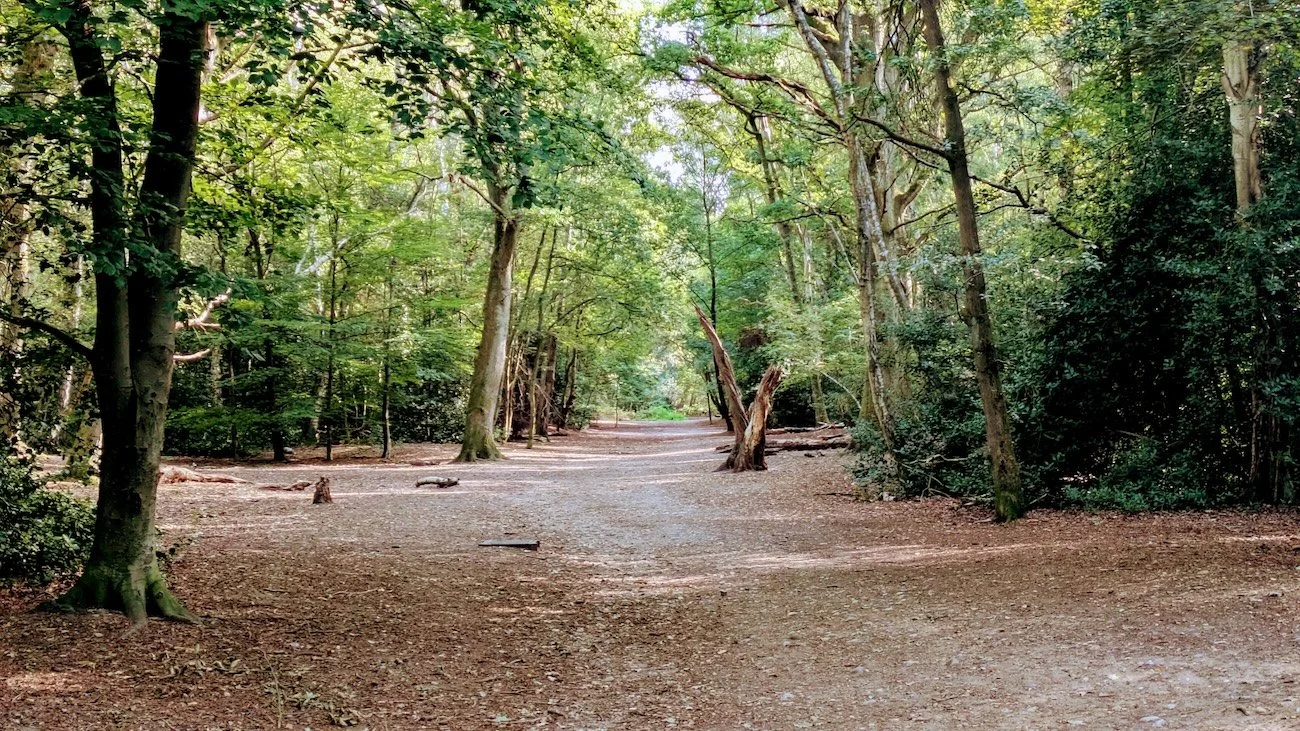
Walk and talk: At Mousehold Heath, Norwich.
Online: Throughout the UK.
Sessions last a full 60 minutes and cost £60. There's no fixed number of sessions, so we can work together for as long as feels helpful and appropriate.
Thinking about counselling?
You don't need to know whether you want to change your substance use, or have everything figured out before getting in touch.
I offer a free 15-minute introductory call. It's a chance to ask questions, have a chat and get a feel for whether working together might be right.
There's no obligation to go ahead.